Understanding 32-Bit Float Audio on the Nikon ZR Cinema Camera
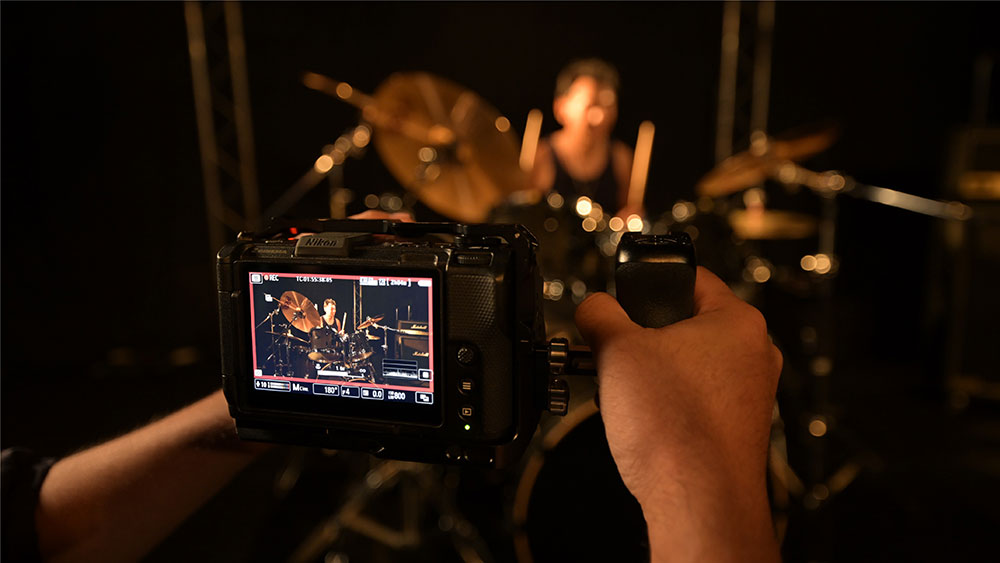
Audio is a critical component of video production, yet it is often the most vulnerable element in field recording. Changes in environment, subject volume, or performance can quickly push audio beyond acceptable limits.
The Nikon ZR cinema camera supports 32-bit float audio recording, a format designed to provide increased flexibility and reliability when capturing sound in unpredictable conditions or challenging environments. This article outlines what 32-bit float audio is, how it differs from traditional formats, and when it can be most beneficial in real-world Nikon workflows.
Traditional Bit Depth and Its Limitations
Most cameras record audio in 16-bit or 24-bit formats. These formats operate within a fixed dynamic range, requiring input gain to be set accurately before recording begins. If levels are set too low, recorded audio may be difficult to recover without introducing noise. If levels are set too high, clipping occurs and distortion is permanently recorded. In controlled environments, this can be managed. In field production, it can introduce unnecessary risk.
Bit depth refers to the amount of information used to represent audio signal levels. Higher bit depths allow for greater precision and a wider usable dynamic range. 32-bit float audio does not clip in the conventional sense and can be reduced in post-production without distortion, provided the source signal was captured cleanly.
32-bit float audio uses a floating-point system that captures a significantly wider range of sound levels than fixed-bit formats. Rather than imposing a hard upper limit, the format preserves both very quiet and very loud sounds as usable data. This allows gain adjustments to be made during post-production without degrading audio quality.
Why 32-Bit Float Matters on the Nikon ZR
The Nikon ZR is ideal in environments where audio conditions can change quickly and where a dedicated audio operator may not be present, due to the compact nature of the camera.
32-bit float audio is particularly useful for:
- Documentary and event videographers
- Hybrid shooters capturing both stills and video
- Creators working in unpredictable environments
What 32-Bit Float Does Not Replace
While 32-bit float provides significant advantages, it does not eliminate the need for good audio practices.
It does not:
- Compensate for poor microphone placement
- Remove unwanted background noise
- Replace proper monitoring during recording
Capturing clean source audio remains essential.
Post-Production Workflow
During post-production, audio gain can be adjusted to the desired decibel level without introducing distortion or raising the noise floor. Most modern NLEs and DAWs support 32-bit float audio processing.
The major advantage of this feature is flexibility, making the post production process smoother and eliminating the pressure of getting “perfect” audio before it gets to the editor.
Conclusion
32-bit float audio on the Nikon ZR provides additional security and flexibility when recording sound in the field. By preserving a wider range of audio information, it reduces the risk of clipped or unusable recordings and allows adjustments to be made later in the workflow.
For creators working in dynamic environments, it offers a practical advantage without adding complexity.